Timeline
- August 21. Routine mammogram.
- September 9. A second mammogram and an ultrasound.
- September 16. Biopsy at KU.
- September 17. Diagnosis.
- October 2. Met the oncologist.
- October 6. Met the surgeon.
- October 7. MRI.
- October 15. More biopsies.
- Ahead
- December 3. Surgery.
- The 4 weeks after. Rest and recovery at home.
- December 20. Our kids are home for the holidays.
- January. Back to the classroom.
What's next
Surgery is set for December 3: a lumpectomy, followed by about a week of radiation.
We're not currently planning on chemotherapy, but we won't know for sure until the full pathology comes back after surgery. We'll update this page as soon as we know.
Once surgery makes her cancer-free, the long-term plan centers on hormone therapy. Rachel will be back in the classroom in January.
The details, for those who want them →
The details
For those who want the specifics.
- Diagnosis
- Invasive ductal carcinoma, the most common type of breast cancer. Grade 1, meaning slow-growing. About 1 cm, in the left breast. Found on a routine mammogram.
- Lymph nodes
- No abnormal nodes on imaging.
- What drives it
- Estrogen and progesterone. The cancer is strongly positive for both hormone receptors, which is why hormone therapy is the main long-term treatment. It is HER2 negative, and its growth rate (Ki-67) is low, about 5 percent, meaning slow-growing.
- Genetics
- Genetic testing came back negative. This is not an inherited cancer.
- Surgery
- A lumpectomy on December 3 at KU. The surgeon will also remove two nearby spots as a precaution.
- Radiation
- About one week of radiation, once she has recovered and healed from surgery.
- Chemotherapy
- Not planned right now. The final pathology after surgery will tell us for sure.
- Long term
- Hormone therapy, usually a daily pill for 5 to 10 years. It blocks or lowers estrogen to keep the cancer from coming back.
- Care team
- The University of Kansas Health System. Dr. Kelsey Larson, breast surgeon. Dr. Yiduo Hu, medical oncologist.
You found the Easter egg
Nothing serious lives here. This is the fun page, a way to keep things light.
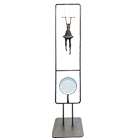
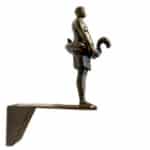
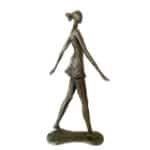
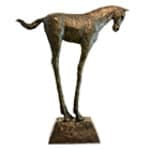
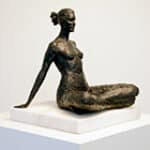
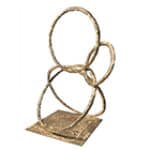
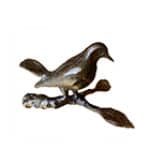
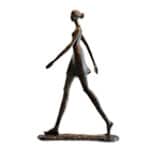
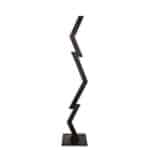
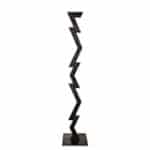
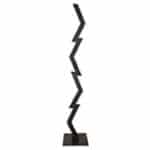
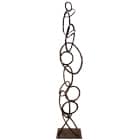
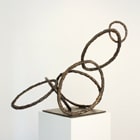
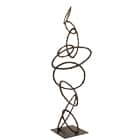
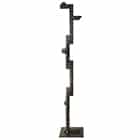
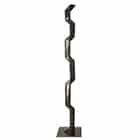
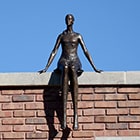
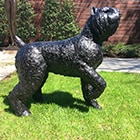
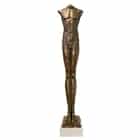
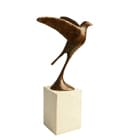
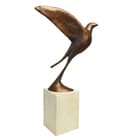
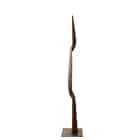
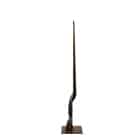
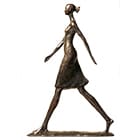
So, a game. Leave your name and your top three Corbin Bronze sculptures for Rachel and Roper's back yard. Come spring, when all this is behind us and we're ready to finish the landscaping, we'll see who had the best eye. No wrong answers, no prizes, just bragging rights.
Browse the collection below. Tap a sculpture to open it at Corbin Bronze, or hit the + to put it in your picks.
Where things stand
We're optimistic. Every doctor we've seen has been positive about the prognosis and about how treatable this cancer is, and we expect a full recovery.
Getting through surgery is the number one priority. Number two is supporting Rachel through her first semester at Johns Hopkins in their Doctorate of Education program. She's doing it while maintaining a full-time job as a gifted facilitator in the Shawnee Mission School District. She wants to stay in the classroom as long as she can and get back as soon as she can.
Leave a note
If you'd like to leave a note, send it here. We'll read them all. If we don't respond, know that we appreciate all the kind words and prayers.
How to help
Two doors, both open.
Food after surgery. Laura Pace is organizing meals through Jacob's Well. The sign-up has the dates and the details.
Support a local family. We are well supported. Not everyone is. Rachel and Roper support the Jacob's Well CarePortal team, which meets specific needs for Kansas City families in crisis: a crib, a car repair, a month's rent. The form has no "in honor of" line. Just know Rachel appreciates every gift to the team.
Questions people ask
- Where will news go?
- Here. We'll update this page instead of sending group texts.
- Can we visit?
- Text first. Some days will be good for company and some won't.
- What can I send?
- Your kind words and care. If you want to do more, offer to bring a meal, or fill the need of another family through the Jacob's Well CarePortal.
- What about the doctorate?
- She plans to keep going. Getting through surgery comes first, then back to the classroom, then the next semester.